In today’s world, screens aren’t just for games, they can open doors to online language learning. The challenge is helping children use technology safely while turning it into a tool for growth.
August 29, 2025
5 Minutes
The Bright Side of Online Learning
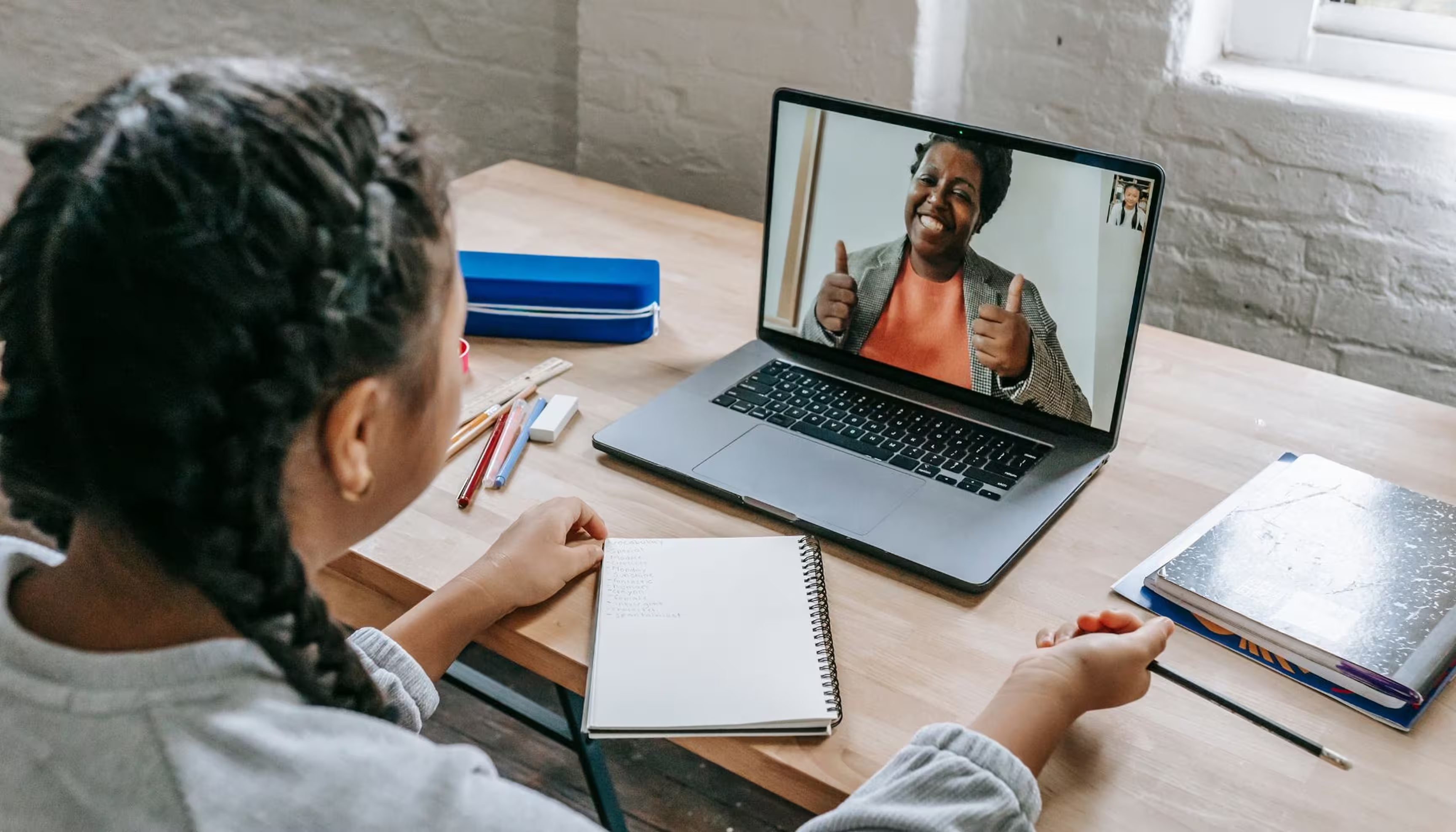
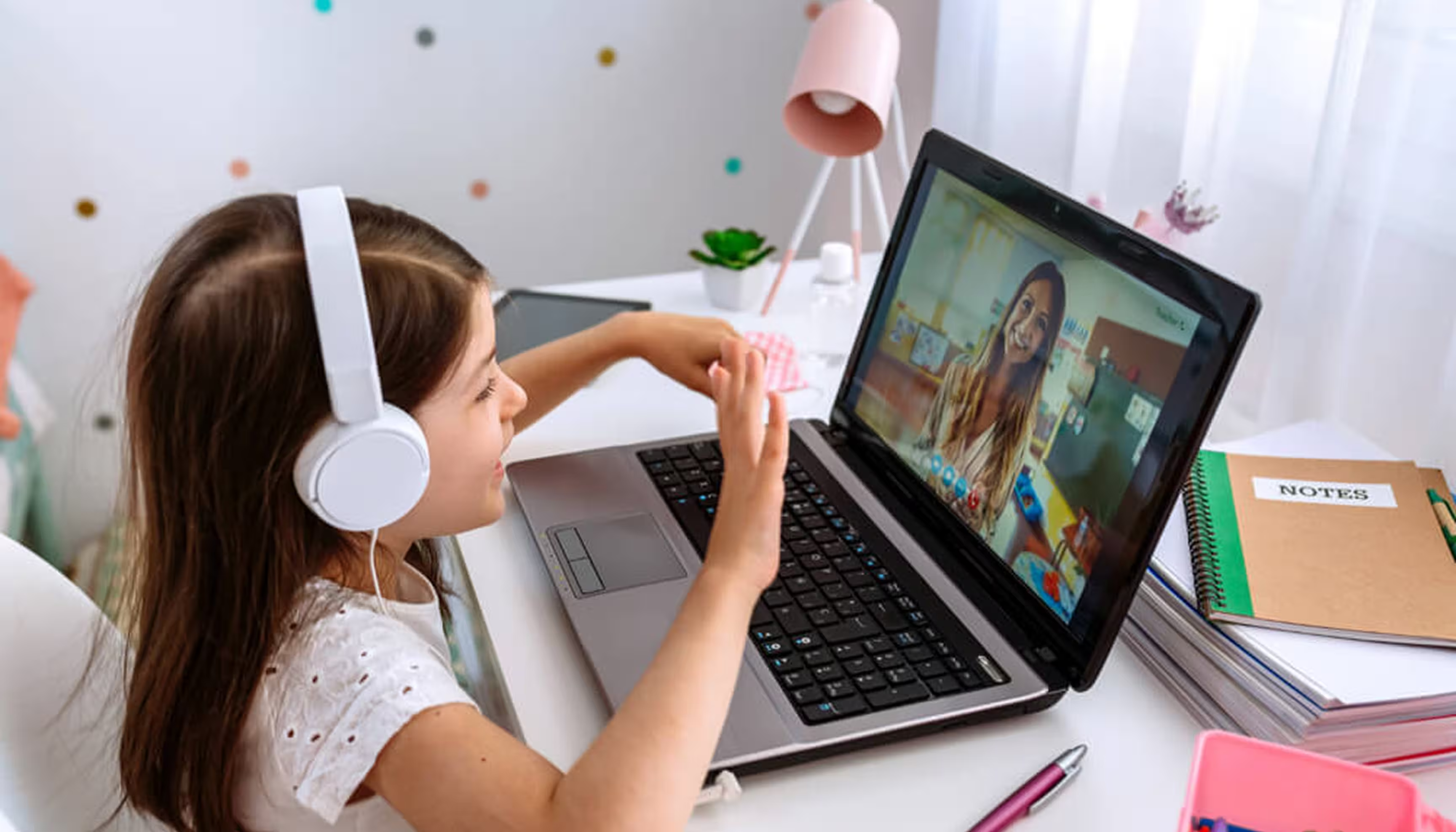
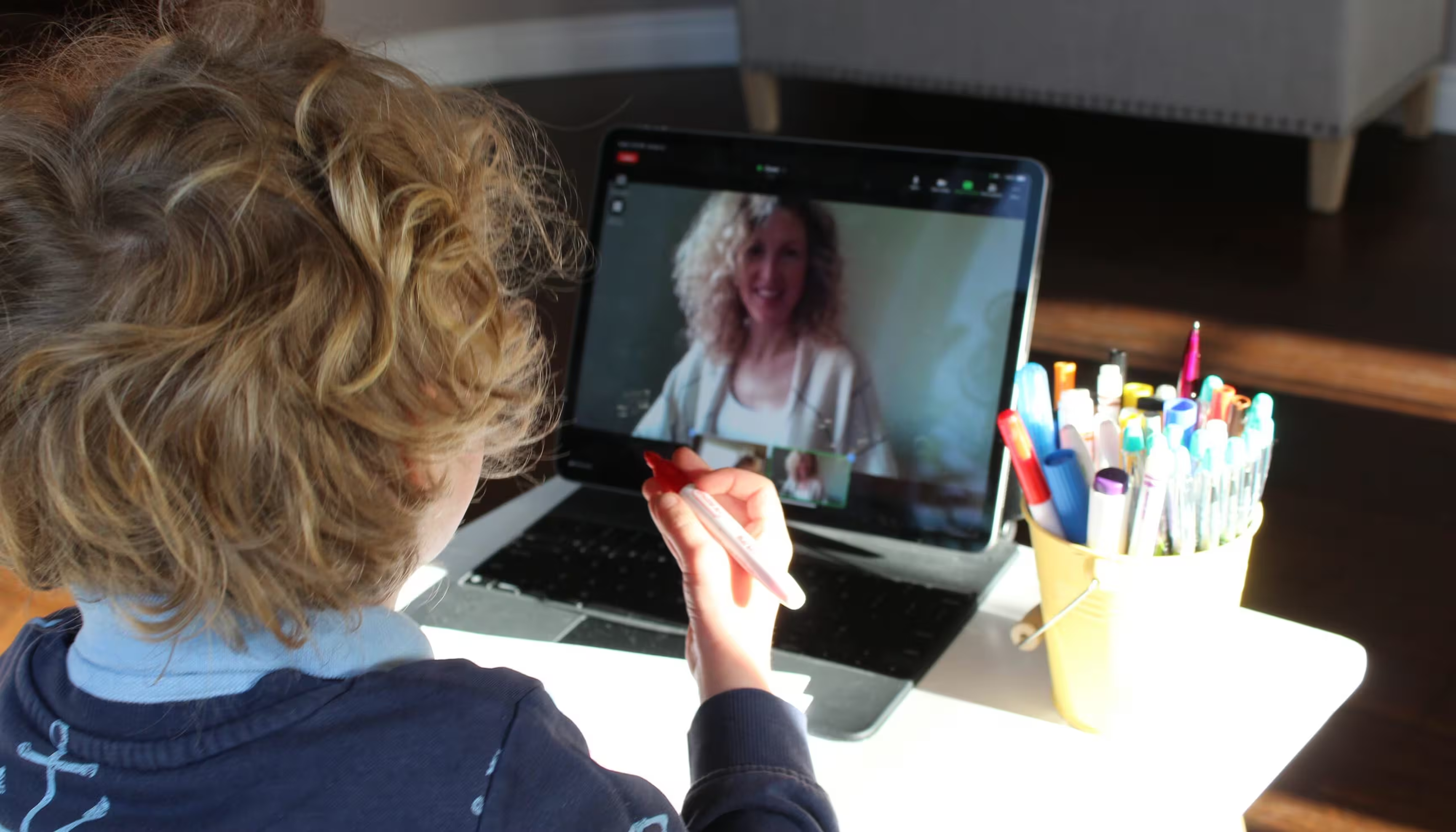
For many children, digital classrooms offer a well-adapted, enjoyable, and highly effective way to learn. While the pandemic initially forced a rapid shift to online learning, it also revealed a silver lining: virtual education can be a real opportunity. Kids had the chance to try it, and many discovered that they loved learning more than ever in this new environment.
Flexible Learning
For many kids, online learning offers flexibility they wouldn’t otherwise have access to in a traditional classroom. Learning French or another foreign language requires discipline and continuity. For families often on the move, regular class attendance in the same location isn’t an option. Online classes however enable your child to continue learning a language or other topics from wherever they are in the world.
Access to More and Better Teachers
This increased flexibility also benefits teachers who can log in from wherever they are. This, in turn, provides students with access to a much greater range of teachers with different specializations and talents. Teachers who navigate to digital teaching environments are often those who are inspired and motivated to employ new technologies, creating exciting opportunities for children to learn and thrive in a digital environment.
Adapted to All Learning Style
The switch to online learning in 2020 revealed another interesting benefit which many say, will continue driving the development of online education for a long time to come. It was found that some children, prone to anxiety in traditional classrooms, thrived in the relatively calm and stable environment of the virtual world. Online settings proved to be more well-adapted to children who preferred their own comfort zone where they were able to learn at their own pace. Virtual breakout rooms also allowed children to connect with teachers and friends on a more private level without disruption or competition.
Actually, Learning CAN be Fun
As well as providing a calmer setting, digital classrooms enable new and fun ways for kids to learn. And while gamification and video content aren’t what we traditionally associate with academia, these new additions to the classroom keep kids entertained, engaged, and motivated to learn. In addition, they prepare your child for the ever-increasingly digital environment in which we live.
Other Considerations
While these benefits are clear, there are still a number of things to keep in mind when it comes to online learning and if it’s right for your child.
Firstly, there’s the lack of social interaction which for some children, can be difficult. While some kids thrive in the virtual world, others can find this type of learning environment distracting and hard to get used to. For this reason, it’s essential for teachers to incorporate a variety of new and engaging tools that help children interact as well as focus over the duration of the lesson.
Another obvious challenge of online learning is ensuring a reliable internet connection. Even today, there are many parts of the world where connections can be patchy or non-existent. And while online technologies have proven to be highly beneficial, not having consistent access can be detrimental.
Lastly, finding a teacher that’s right for your child can be challenging without being able to meet in person. How can you tell the teacher employs methodologies that will allow your child to learn? Will the teacher be willing to adapt to your child’s preferred learning methods? All these questions and points we’ve explored are what parents need to think about when considering online learning for their child.
And while online environments might not be suited to everyone, digital is certainly the way the world is heading and any practice your child can get will provide the opportunity to be prepared for the future. The last few years have seen digital learning environments improve dramatically, becoming more and more adapted to different learning styles and preferences. So while it’s not the brick and mortar classroom we remember so well, this virtual equivalent certainly promises new and exciting opportunities that your child might just take a liking to.
Don't missa single post!
Get our latest articles, French learning guides, and free printable resources delivered straight to your inbox. Subscribe for free and support your child's language journey!
Thanks for subscribing!
Oops! Something went wrong while submitting the form.
Latestblog posts
Learning French
12 Minutes
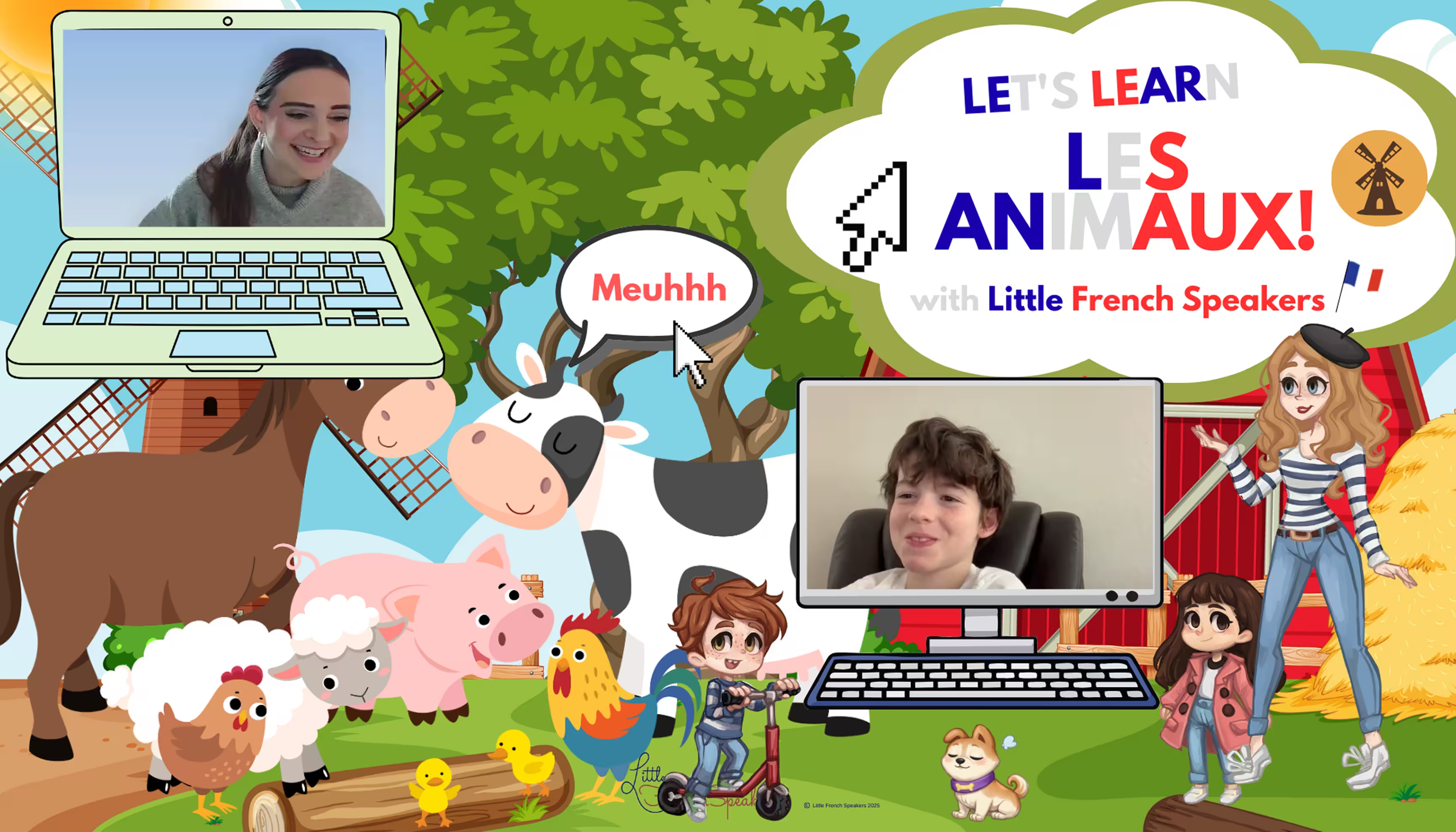
Watch a Real Online French Class for Kids (Animals Vocabulary Lesson)
Curious what online French classes for kids actually look like? Stop wondering. Watch a real lesson.
Discovering French culture
12 Minutes
French Crêpes Tradition: How to Celebrate La Chandeleur with Kids
Learn about La Chandeleur, France's most delicious tradition, and discover how to teach your child French culture through cooking.
Learning French
School life
5 Minutes
How long should your child’s French class be? (15, 25 or 50 min)
Wondering if 15 minutes is really enough to learn, or if 50 minutes might be too tiring for your child? The answer lies in neuroscience: every age has its own optimal 'attention window.' Discover why we adapt our class lengths to your child's biology to ensure rapid progress, without ever causing boredom or frustration.