King cake: Galette des Rois, the Delicious French Tradition
Celebrate Epiphany with the "Galette des Rois"! Discover the famous "under the table" game, a simple recipe, and how Little French Speakers uses culture in our online French classes for kids.
December 2, 2025
5 Minutes
What is a Galette des Rois?
If you walk down any street in France in January, you will smell butter and almonds. It is time for the Galette des Rois (King Cake)!
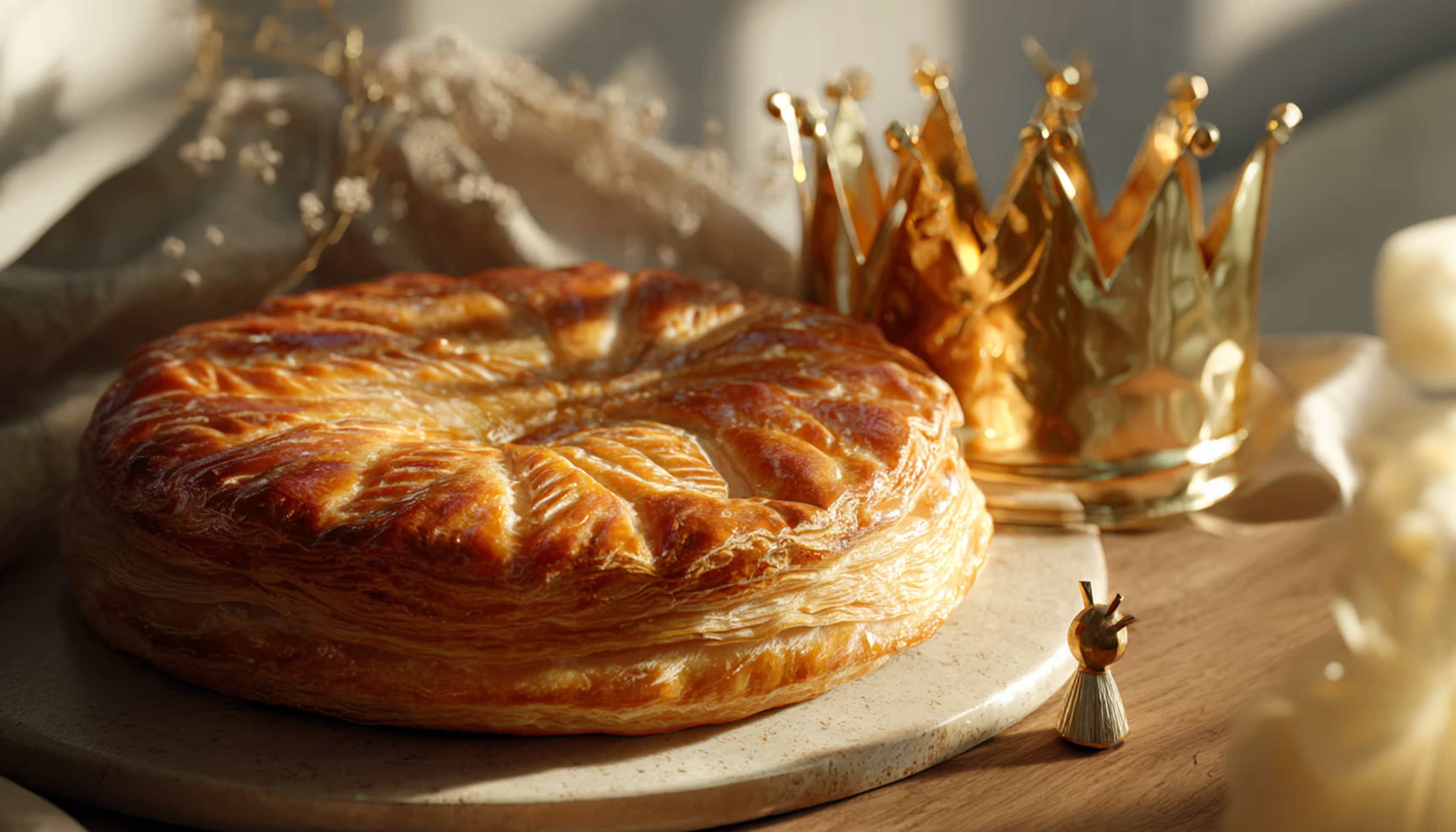
The Galette des Rois is a traditional pastry shared throughout the month of January. The most famous version (from Paris) consists of a flaky, golden puff pastry filled with frangipane, a delicious mix of almond cream and pastry cream.
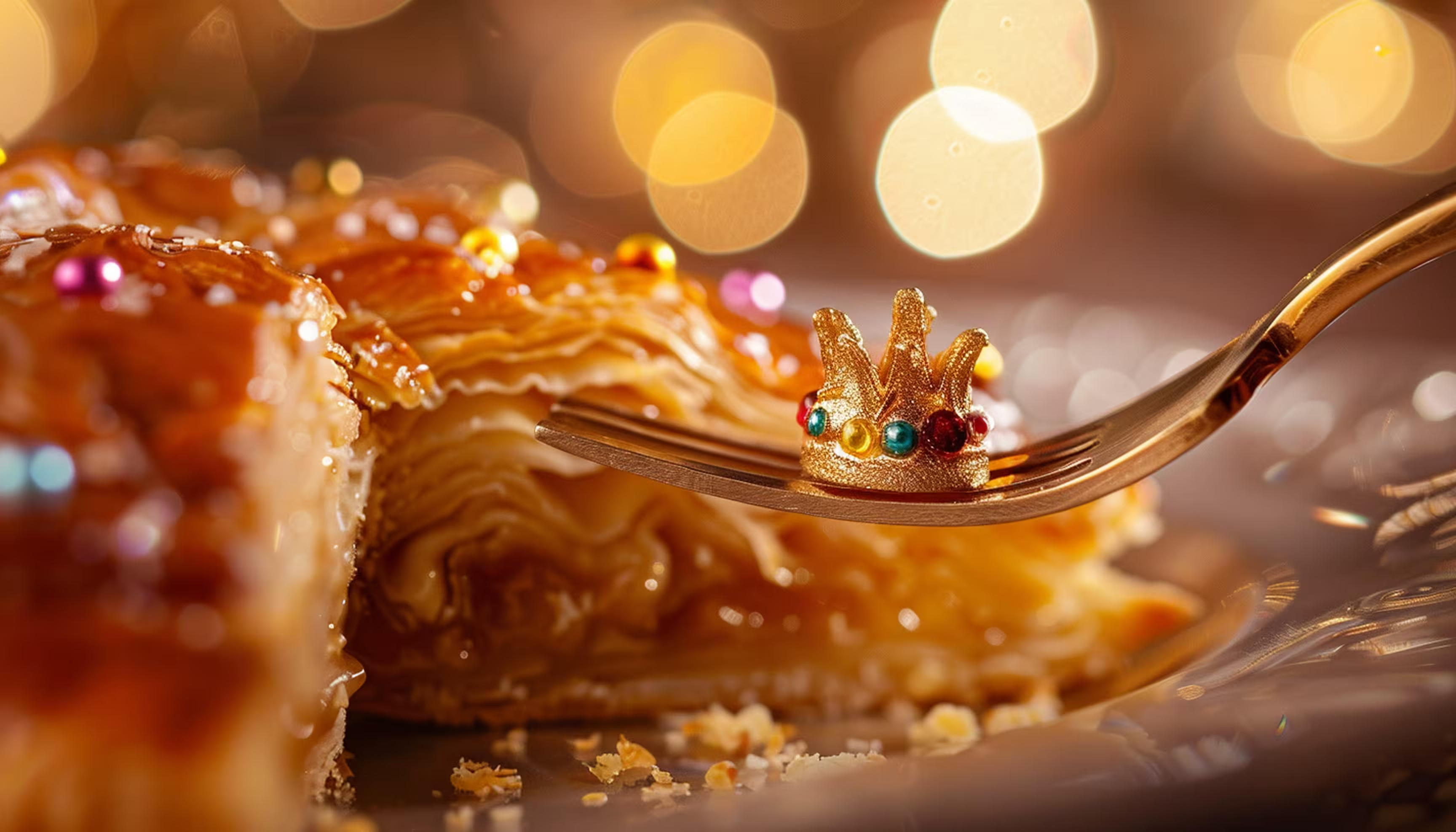
But beware, this isn’t just any cake: a tiny fève (charm) is hidden inside!
At Little French Speakers, we believe that learning a language isn’t just about memorizing lists of words; it’s about living the culture.
That is why our online French classes for kids go beyond the screen. We immerse your children in real French traditions to make the language stick.
Today, we are sharing the secrets of France’s favorite winter game so you can play it at home.
The "Under the Table" Game: A Serious Ritual
The Galette is not just a cake; it is a ceremony that every French child looks forward to. It is a perfect activity to practice French for kids in a fun, family setting.
Here is the rule of the game (Le jeu de la Galette):
1. The Youngest Goes Under: The Secret Hiding Spot
This is the only time of the year when hiding under the dinner table is actually required! The youngest child (le plus jeune) must crawl sous la table (under the table).
Why? To ensure « Blind Justice »! Since they cannot see the cake from down there, they cannot see where the knife cuts or where the fève might be hiding. They become the impartial judge of the ceremony.
💡 Teacher Tip: This is a great opportunity to teach prepositions of place! Practice saying « Sur la table » (On the table) and « Sous la table » (Under the table) as they crawl in and out.
2. The Question: Be the Master of Ceremonies
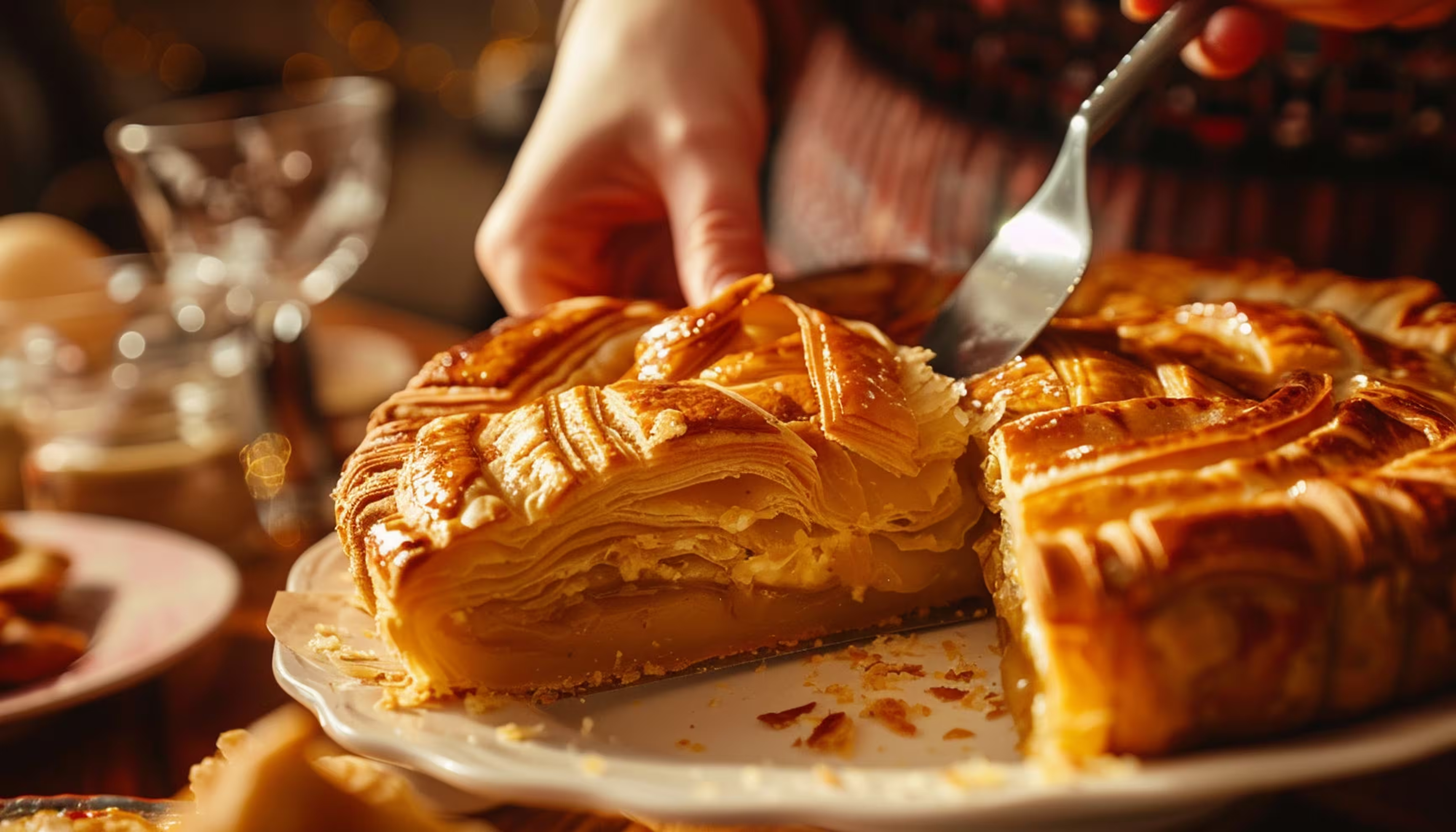
The parent plays a crucial role! Cut the first slice, lift it up high with the cake server, and ask loudly to the invisible child: « C’est pour qui ? » (Who is this slice for?).
💡 Teacher Tip: This is the perfect repetition exercise! Since you have to ask this for every single slice (usually 6 or 8 times), your child will memorize this question structure naturally by the end of the cake. Encourage them to listen carefully to your pronunciation!
3. The Command: The Voice from Below
From their secret hiding spot, the child becomes the boss! Without seeing the slice, they call out a name for each piece held up by the parent. They shout: « C’est pour Maman ! » (It’s for Mommy!) or « C’est pour Papa ! ».
It creates a fun suspense around the table, nobody knows if they are getting the next slice or if they have to wait!
💡 Teacher Tip: This is the easiest way to teach the preposition « Pour » (For). Don’t let them just say the name (e.g., « Mommy! »). Challenge them to use the full sentence: « C’est pour [Name] ». And remind them not to forget the most important person: « C’est pour moi ! » (It’s for me!).
4. The Treasure: The Hunt for the Fève
Hidden somewhere inside the creamy almond filling is a small treasure called la fève. Originally, this was a simple dried bean (hence the name fève), but today in France, it is usually a cute porcelain figurine representing a character or an animal.
The Suspense: This is the quietest moment of the meal! Everyone eats their slice slowly and carefully. The goal isn’t just to enjoy the pastry, but to explore it to find the hard object without breaking a tooth!
💡 Teacher Tip: The winner needs to know what to shout! Teach your child the ultimate victory phrase: « J’ai la fève ! » (I have the charm!). It’s the only time it’s polite to scream with your mouth full at the dinner table!
⚠️ Safety Note for Parents: Since this tradition is less common outside of France, please warn your little ones: « Don’t bite too hard! ». If you are worried about choking hazards with very young children, simply use a whole almond or a large dried bean instead of a porcelain toy.
This ritual ensures fairness, but more importantly, it creates a magical memory associated with the French language.
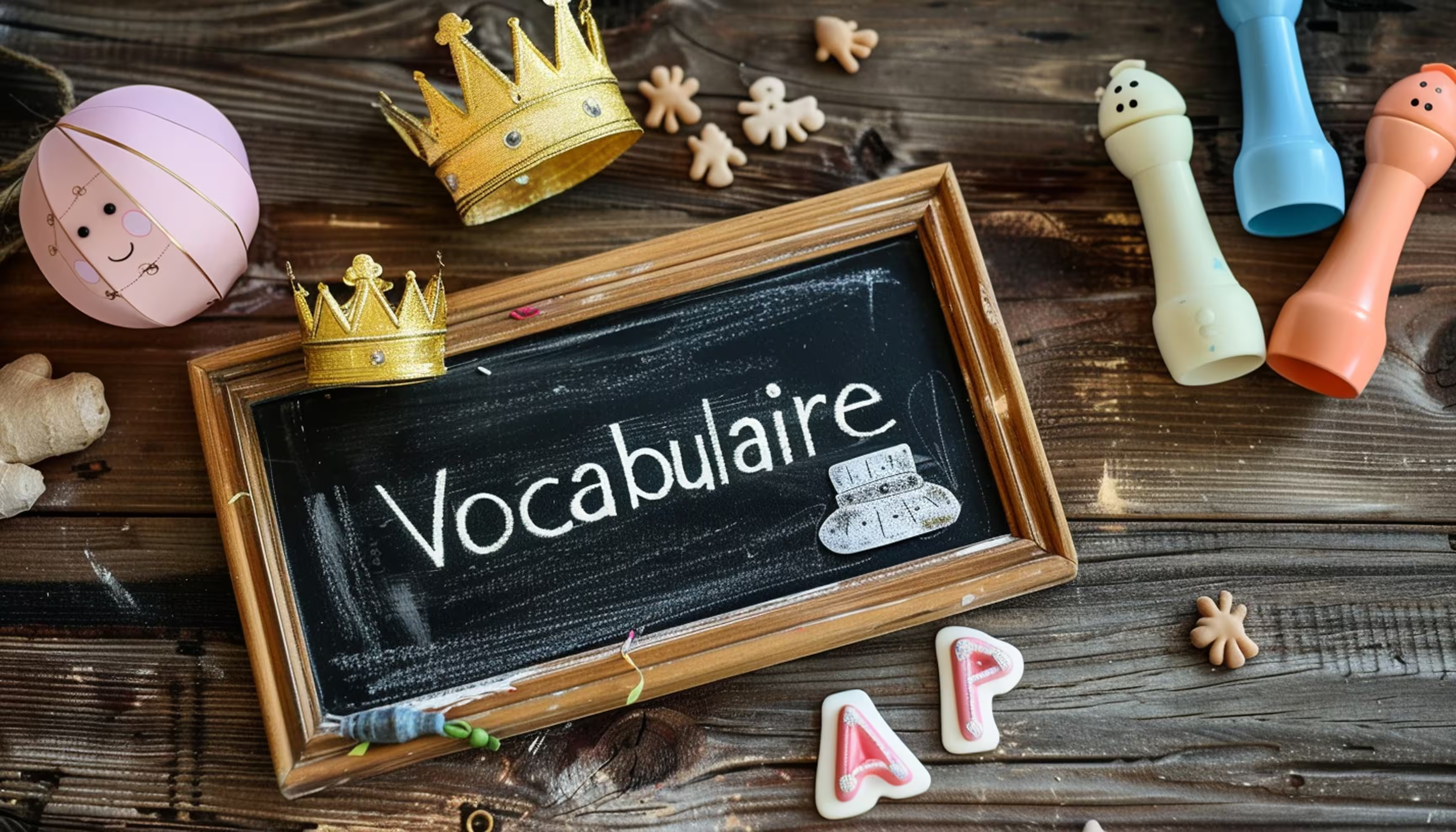
Vocabulary: How to Speak Like a King
Want to turn snack time into a mini-lesson? Here are the words our native teachers introduce during our online French lessons for kids this month:
La galette : The cake
La fève : The lucky charm (hidden inside)
La couronne : The crown
Le roi : The king
La reine : The queen
La frangipane : The almond filling
Cacher : To hide
Trouver : To find
Sous la table : Under the table
Une part : A slice / a piece
Simple Recipe: The 30-Minute Galette
You don’t need to be a French pastry chef to make this. Here is the « busy parent » version we recommend to families taking our french online classes for kids.
Ingredients:
2 rolls of puff pastry (store-bought is fine!)
1 cup (100g) almond flour
1/3 cup (75g) sugar
1/4 cup (50g) soft butter
2 eggs + 1 egg yolk (for brushing)
1 dried bean or almond (to act as the fève)
Instructions:
Mix butter, sugar, almond flour, and 2 eggs until smooth.
Roll out the first pastry sheet. Spread the mixture in the center (leave space at the edges!).
Crucial Step: Hide the fève in the cream (not in the center, or you might cut into it!).
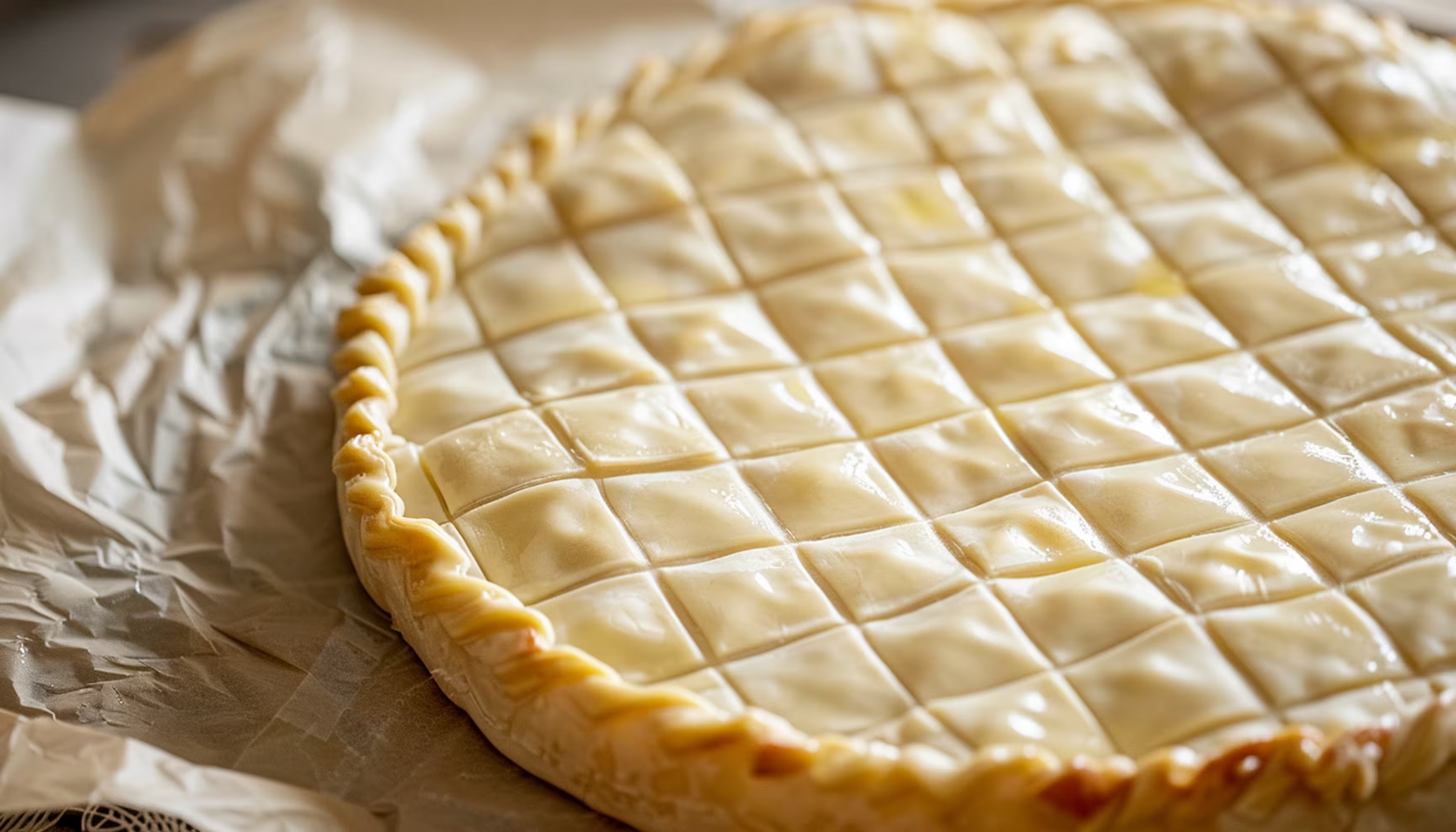
Cover with the second sheet, seal the edges with a fork, and brush with egg yolk.
Draw a design with a knife and bake for 30 mins at 390°F (200°C).
Why American Parents Love It
The Galette des Rois is the perfect way to introduce French culture at home :
It’s a game: The suspense of the hidden charm keeps kids of all ages engaged.
It’s educational: It’s a natural way to learn specific vocabulary in context.
It’s delicious: The sweet almond flavor is a huge hit with children.
Why Culture is the Key to Fluency
Why do we spend time talking about cakes in our lessons?
Because children learn best when they are emotionally engaged. A child might forget a verb conjugation, but they will never forget becoming « The King » for the day.
At Little French Speakers, our methodology combines this cultural immersion with a structured visual curriculum. Whether through our 15-minute, 25-minute or our 50-minute immersive sessions, we use stories like the Galette to trigger a love for the language.
In Conclusion : Start Your Adventure
Ready to give your child more than just vocabulary? Give them a culture. Join the hundreds of families who trust Little French Speakers for the most engaging online French classes for kids.
👉 Book your 1-on-1 Trial Lesson here (and maybe win the crown!)
Don't missa single post!
Get our latest articles, French learning guides, and free printable resources delivered straight to your inbox. Subscribe for free and support your child's language journey!
Thanks for subscribing!
Oops! Something went wrong while submitting the form.
Latestblog posts
Learning French
12 Minutes
Watch a Real Online French Class for Kids (Animals Vocabulary Lesson)
Curious what online French classes for kids actually look like? Stop wondering. Watch a real lesson.
Discovering French culture
12 Minutes
French Crêpes Tradition: How to Celebrate La Chandeleur with Kids
Learn about La Chandeleur, France's most delicious tradition, and discover how to teach your child French culture through cooking.
Learning French
School life
5 Minutes
How long should your child’s French class be? (15, 25 or 50 min)
Wondering if 15 minutes is really enough to learn, or if 50 minutes might be too tiring for your child? The answer lies in neuroscience: every age has its own optimal 'attention window.' Discover why we adapt our class lengths to your child's biology to ensure rapid progress, without ever causing boredom or frustration.